
Choosing a Water Filter: Start With What’s in Your Water
Match a filter to a specific water concern before comparing styles, features, and replacement costs.

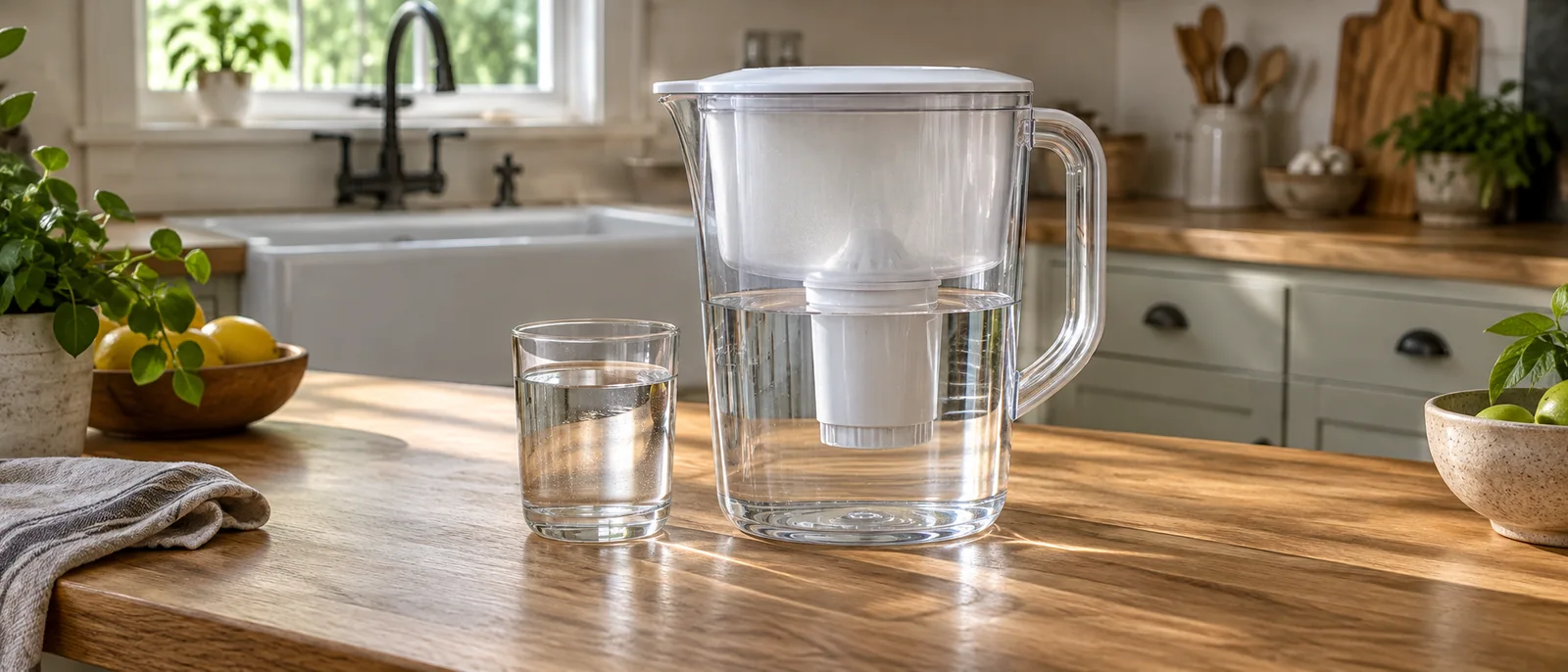
A water-filter aisle can turn a simple purchase into a long list of promises. Before comparing pitchers and plumbing systems, write down the problem you want to solve. A taste preference, a confirmed contaminant, and a concern about household plumbing need different kinds of investigation.
01 / HOME PRACTICEBegin with information about your supply
For public water, start with the utility’s annual water-quality report. For a private well, ask your local health department about suitable testing and a certified laboratory. A clear-looking glass cannot establish whether water is safe.
Keep the report or laboratory result beside your shopping notes. If the question concerns something entering the water through your own plumbing, ask the utility or health department what sampling approach will answer that question. Buying equipment first can leave the actual issue unresolved.
02 / HOME PRACTICECheck the exact reduction claim
Choose a system certified for the particular substance you need to reduce. A certification mark alone is not a promise that a filter handles every contaminant. Check the exact model and cartridge in the certifier’s listing, including its stated capacity and limitations.
Save the listing and performance sheet, rather than relying on a photograph of the box. Similar-looking cartridges can have different claims. If a seller cannot identify the model clearly, leave it off your comparison sheet until you can verify what you would actually receive.
03 / HOME PRACTICECompare the whole ownership routine
Make a small comparison table with purchase price, replacement cartridge cost, available space, and the steps required for servicing. Add the location where you would keep a spare cartridge and the person who would handle maintenance.
Read the replacement schedule before choosing a model. Maintenance is part of treatment performance, not an optional extra. A system that fits your daily routine is easier to look after than an elaborate installation you cannot comfortably reach or afford to service.
04 / HOME PRACTICEKeep the decision proportionate
A household with suitable water may not need a filter. If an active drinking-water advisory applies, follow the issuing authority’s instructions; do not assume a household filter makes the advisory irrelevant.
Bring unresolved questions back to the utility, health department, or qualified treatment professional. Your shopping list should follow the evidence. Once you have a defined need and a verified product, you can make the practical choice of where it belongs in the kitchen.
Your home improvement checklist
Tick these off as you prepare. Checks reset when you reload.
Start with a question about your water, then choose equipment that answers it. A clear purpose makes the decision easier to explain, compare, and maintain.
Further reading: CDC: choosing home water filters.
Make your home work a little better.