
Stop the Draft: Simple Checks Around Windows and Doors
Locate moving air and inspect existing seals before choosing a small weatherproofing repair.

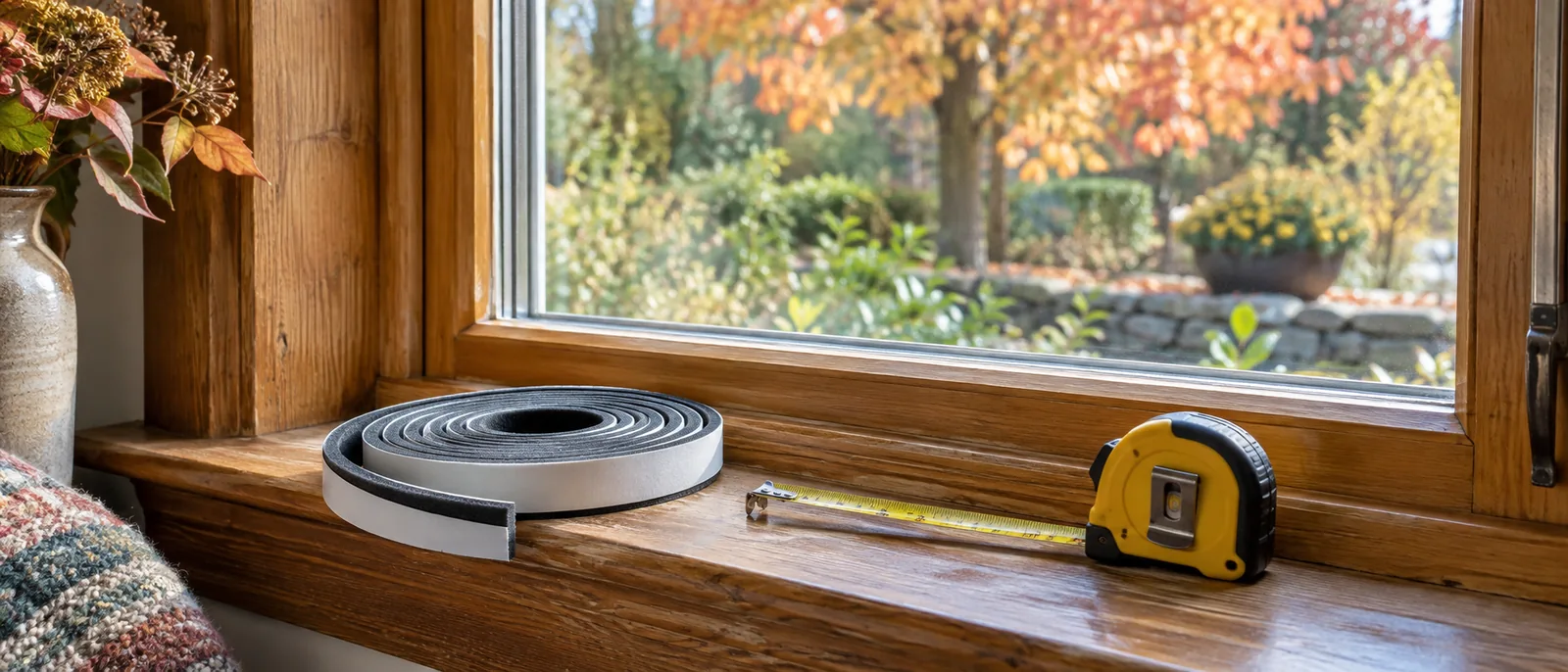
A chilly seat beside a window can make the whole room feel uncomfortable. Before ordering new windows or applying strips everywhere, look closely at the opening. The useful question is where air is entering and whether an existing seal, latch, or damaged surface explains it.
01 / HOME PRACTICECheck the opening in ordinary use
Close and latch the window or door normally. Look for torn seals, visible gaps, and places where the moving part does not sit evenly against its frame. Compare a troublesome opening with another of the same type that closes properly.
Make notes during windy weather if possible, but avoid using a flame to search for leaks. Notice whether the sensation is moving air or simply a cold surface nearby. That distinction helps you describe the problem accurately if you need an assessment.
02 / HOME PRACTICEMatch the material to the joint
Weatherstripping is used around moving parts, while suitable caulk can seal appropriate stationary joints. Choose a product compatible with the surfaces, gap, exposure, and movement involved. The installation instructions should explain preparation and the conditions needed for good adhesion.
Measure the existing gap and inspect any original seal before buying a replacement. A strip that is too thick can prevent a door from latching, and a thin strip may leave the gap open. Replacing like for like can be useful when the original design is known.
03 / HOME PRACTICEPreserve the opening’s intended functions
Keep drainage paths, ventilation openings, and escape routes working. Do not fill every visible hole indiscriminately; some openings belong to the window’s drainage design. Check manufacturer guidance when the purpose of a channel or slot is unclear.
If the frame is rotten, the glass is loose, or the opening is badly misaligned, investigate the underlying fault. A surface seal is not a structural repair. Extensive air-sealing work also deserves attention to ventilation and combustion safety from a qualified professional.
04 / HOME PRACTICECheck the result after installation
Apply the chosen product as directed, then open, close, and latch the unit several times. Look for binding and uneven compression. Inspect the repair after normal use and another change in weather rather than assuming the first fit will remain perfect.
Keep a short record of the material used and the remaining symptoms. Work through the home one opening at a time, starting with the clearest problem. That makes it easier to notice whether a specific repair actually improved the room’s comfort.
Your home improvement checklist
Tick these off as you prepare. Checks reset when you reload.
A useful draft repair starts with observation and ends with a working window or door. Seal the right joint, then check the difference during everyday use.
Further reading: Department of Energy: whole-house weatherization.
Make your home work a little better.