
Before You Plant: Get to Know Your Soil
Observe texture and drainage, then use a soil test to guide changes instead of guessing.

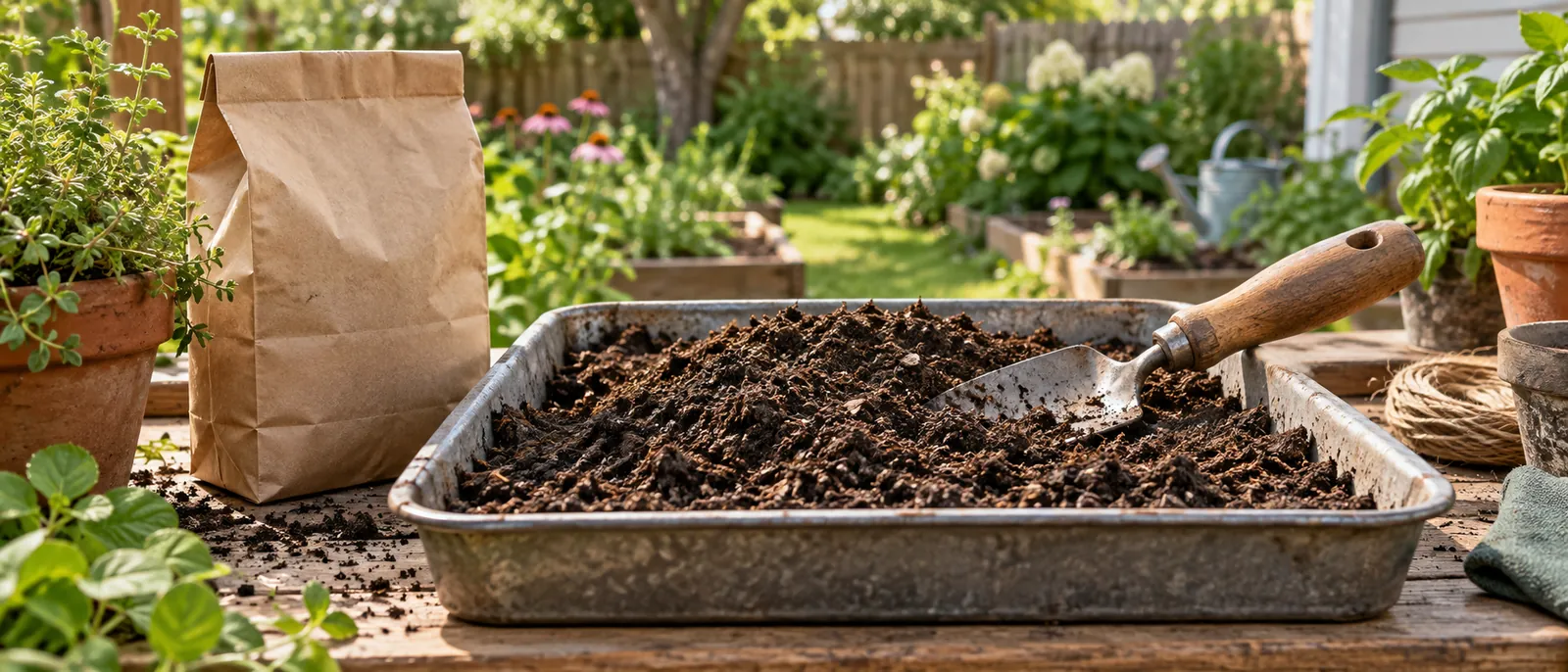
A bag of amendment cannot answer a question you have not asked yet. Before trying to improve a garden bed, spend a little time finding out how its soil behaves and what information you still need.
01 / GARDEN PRACTICELook at more than the surface
Observe the proposed bed after rain and again as it dries. Note puddles, crusting, and areas that remain wet longer than their surroundings. Gently examine a small amount of soil when it is workable. Texture is a useful observation, but appearance alone cannot reveal nutrient levels or contamination.
Make a simple map if one part of the site behaves differently from another. Include slopes, roof runoff, and places where people regularly walk. Keeping observations separate from guesses will help when you ask a local garden adviser for recommendations.
02 / GARDEN PRACTICEGet the right test
A laboratory soil test can report pH and selected nutrient levels and provide recommendations for the intended planting. Ask your local Extension service which lab and test package to use. A standard fertility test does not automatically include every possible contaminant; request appropriate additional testing when the site's history raises concerns.
Read the sampling instructions before collecting anything. Use the specified depth and combine samples only as directed. Label separate areas clearly and tell the laboratory what you intend to grow. The result is more useful when the sample represents the bed you will actually plant.
03 / GARDEN PRACTICEMake changes for a reason
Read the recommendations as a whole rather than focusing on one number. Apply amendments according to the laboratory guidance and product instructions. Adding fertilizer or lime simply because it is available can create a different problem instead of improving the soil.
Keep a small record of the product, quantity, area treated, and date. If advice is unclear, send the report to your Extension office before buying materials. One clear explanation is easier to follow than a collection of conflicting suggestions gathered from unrelated gardens.
04 / GARDEN PRACTICEProtect the bed while you work
Decide where you will stand and reach before planting. Use paths instead of repeatedly walking through the growing area, and avoid working soil when it is wet enough to smear and compact. Address a persistent drainage problem before assuming a fertilizer will solve poor growth.
Keep the original report with your garden notes and follow local guidance on when to retest. Compare the bed's behavior over time. The most useful improvement may be a better path, corrected runoff, or a carefully chosen amendment rather than a complete replacement of the soil.
Your garden checklist
Tick these off as you prepare. Checks reset when you reload.
Treat soil improvement as a series of informed decisions. Observe first, test where needed, and keep notes so the next decision has a better starting point.
Further reading: University of Maryland Extension: soil testing and laboratories.
Make it a great day in the garden.